
Newsletter Subscribe
Enter your email address below and subscribe to our newsletter

 ByJohn A
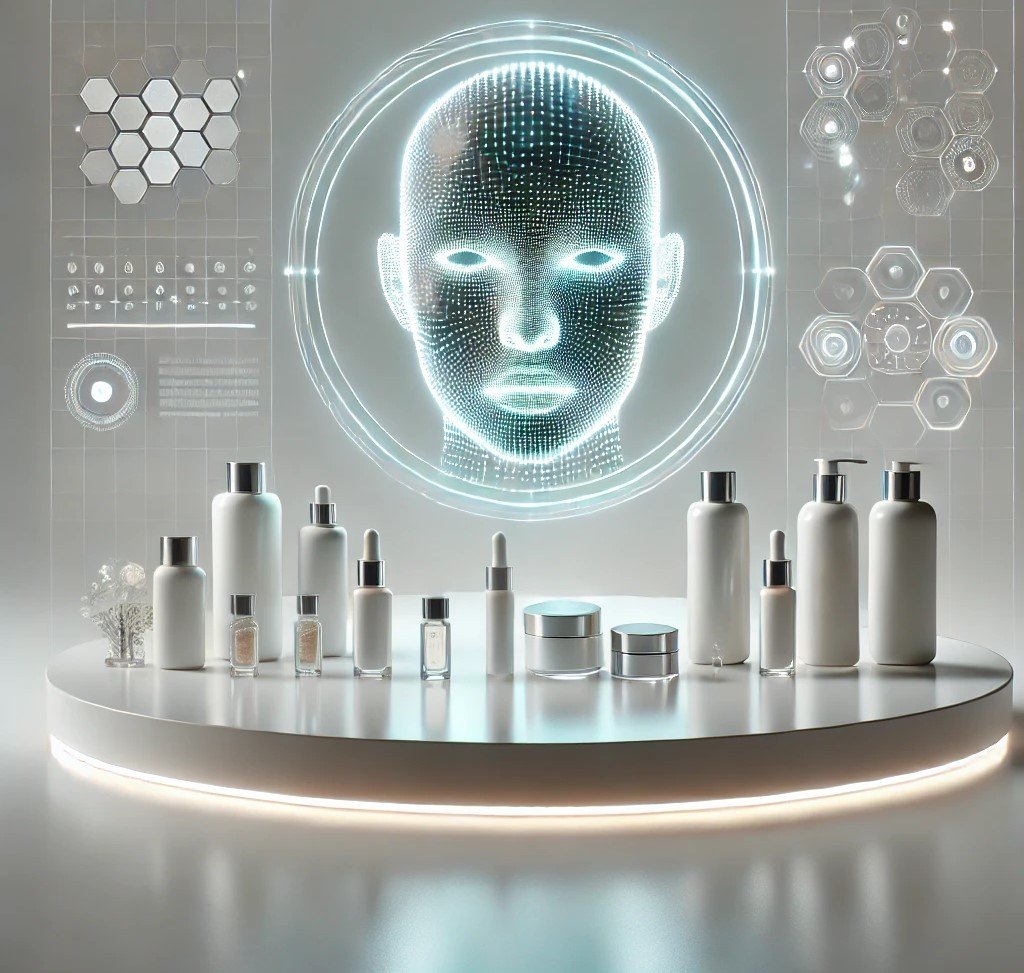
AI assists consumers by translating individual preferences—skin type, tones, finish goals, and routine cadence—into targeted beauty recommendations with objective relevance scores. It enables rapid product comparisons, transparent rationale, and provenance for each option, while tying suggestions to personalized routines and timelines. Privacy, accuracy, and explainability underpin the approach, offering sampling options and secure checkout. The framework invites scrutiny of trade-offs between data use and autonomy, inviting further exploration into how these tools shape everyday choices.
AI-powered beauty shopping enhances product discovery by translating user preferences into targeted recommendations. The system analyzes inputs such as skin type, tones, and finish goals to curate options with measurable relevance. It enables rapid comparisons, objective suitability scoring, and transparent rationale. Considerations include personalization ethics and sampling integration, ensuring user autonomy while balancing data-use boundaries and practical applicability for diverse beauty routines.
AI personalizes product discovery and routines by translating individual preferences into precise recommendations and actionable routines. This process relies on data-driven personalization algorithms to map skin type, concerns, and lifestyle to product suggestions.
It supports routine recommendations that align with cadence, goal timelines, and ingredient safety. The approach emphasizes transparency, scalability, and reproducibility for consistent consumer empowerment.
Evaluating AI beauty tools requires a rigorous examination of privacy, accuracy, and transparency to ensure trustworthy consumer outcomes.
The assessment focuses on privacy implications, including data collection, storage, and usage limits, while identifying accuracy challenges tied to model biases, training data quality, and real‑world variation.
Transparency requires clear disclosure of techniques, provenance, and performance metrics to enable informed, autonomous consumer choices.
See also: nordzonescom.com
Discovering and choosing beauty products with AI involves a streamlined progression from initial discovery to final purchase, leveraging algorithmic comparisons, sample approximations, and targeted purchase guidance. The process relies on personalization metrics to tailor options while balancing privacy implications, ensuring transparent data use. Consumers compare products across features, sample virtually or physically when possible, and finalize decisions through objective, data-driven recommendations and secure checkout workflows.
AI can detect skin tone changes over time by analyzing calibrated images; however results vary. Skin tone changes may influence fragrance preferences, as scent perception and lifestyle factors interact with product recommendations. The system remains adaptable, privacy-conscious, and user-controlled.
Color accuracy generally varies, with studies showing mid-to-high reliability when calibrated, though user personalization can drift over time. The statistic: 87% of users notice minor shifts affecting fit. Reliability hinges on data quality, imaging, and ongoing calibration.
AI tools may consider fragrance preferences, enabling fragrance personalization and scent profiling; they analyze user inputs and usage data to refine recommendations, balancing safety, diversity, and autonomy while preserving user freedom and control over selections.
AI can explain recommendations by outlining model logic, feature importance, and data inputs. Looking beyond data privacy, model transparency, Cross platform integration, user feedback loops, the explanation highlights rationale without revealing proprietary details, supporting informed consumer autonomy.
Ethical concerns are addressed via bias mitigation and transparency practices. The approach includes evaluating model outputs for discrimination, documenting data sources and decision criteria, and enabling user understanding of how recommendations are formed within beauty AI tools.
AI-powered beauty shopping translates personal data into actionable, personalized recommendations, routines, and timelines while maintaining privacy and explainability. It enables quick comparisons, measurable relevance scores, and provenance for each product. An eye-opening stat: users who adopt AI-discovered routines report up to 40% faster decision times and 25% fewer mismatches on first try. The approach balances data use with user autonomy, offering sampling, secure checkout, and reproducible, data-driven guidance for informed beauty choices.
